

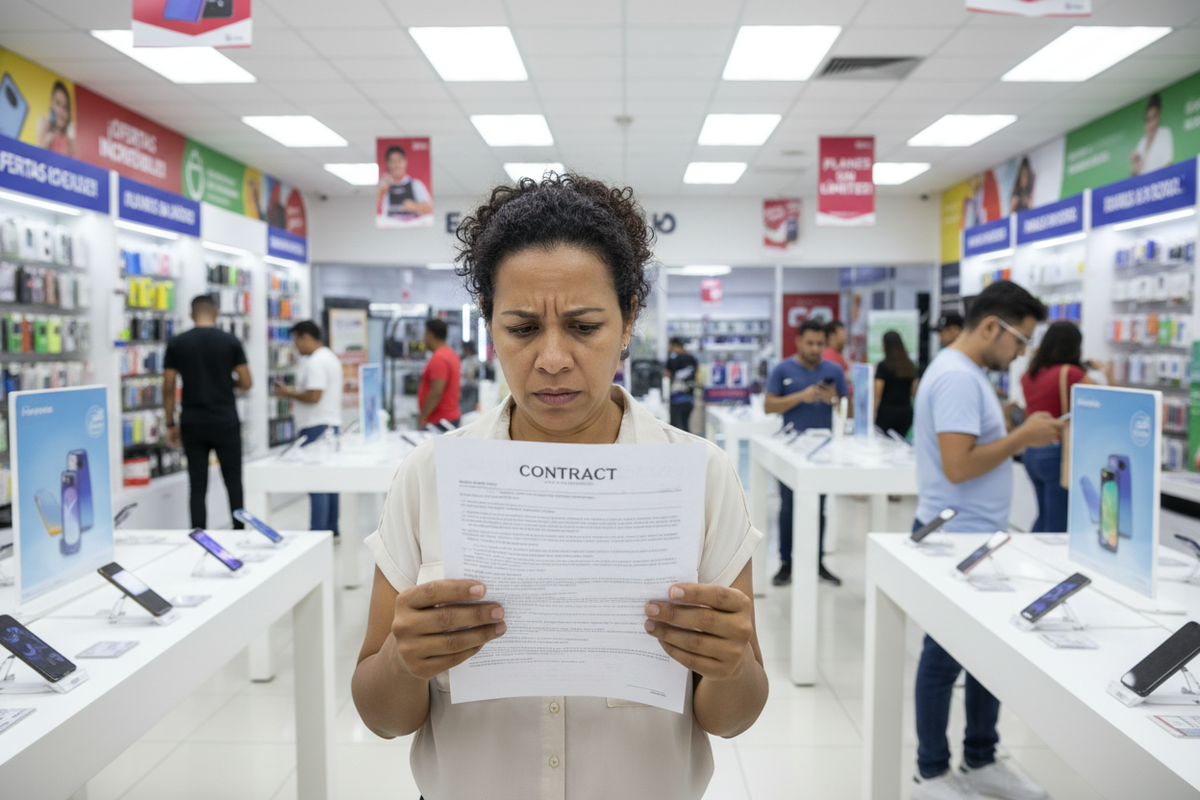
There is a dangerous idea that is repeated too often: “It’s a standard contract, nothing bad can happen.” The reality is that many “standard” contracts are written to protect the person who drafts them, not necessarily you. And when something goes wrong, people almost always discover the same thing: the clause was there… only no one read it carefully, or they didn’t understand its impact.
If you are about to sign a contract (for services, lease, collaboration, employment, purchases, alliances, confidentiality, etc.), a professional review can save you money, time, stress, and arguments.
What a contract can hide (even if it looks “normal”)
A contract is not measured by how long it is, but by what it forces you to do (or prevents you from doing). In a typical review, points like these usually appear:
1) “Automatic” penalties and charges
Sometimes they are drafted so that any delay, cancellation, or change triggers a fine, even if the reason is reasonable.
2) Automatic renewals
That “automatic renewal” phrase can tie you to another full term if you don’t give X days’ notice.
3) Unbalanced cancellation clauses
There are contracts where the other party can cancel easily, but you cannot. Or where canceling “costs” so much that, in practice, it is not an option.
4) Unforeseen extra work
The contract describes a service, but leaves room for them to demand “related tasks” without additional pay.
5) Overly broad liability
The most dangerous part is often the one no one understands: indemnification, limitation of liability, warranties, disclaimers.
6) Jurisdiction, venue, and rules of the game
Where do you have to file a claim? In which country/state? With mandatory arbitration? That completely changes your real power to defend yourself.
“Reading and understanding it” vs. “making sure it suits and protects you”
Understanding a contract is not the same as anticipating how it behaves in a conflict. A legal review seeks to:
-
Identify risks and problematic clauses
-
Explain in plain language what each important point means
-
Propose changes (if applicable) or alternative wording
-
Tell you what to negotiate first (because not everything is negotiated the same way)
-
Align the contract with your reality (deadlines, payments, deliverables, expectations)
In other words: it’s not just reading it. It’s reading it with “what if…?” eyes.
In what cases is it especially worth reviewing?
If any of these apply, it’s a clear sign:
-
The contract has recurring payments or commitments for several months/years
-
There are penalties, deposits, or non-refund clauses
-
It is a professional services contract (marketing, design, maintenance, consulting, construction)
-
You are signing as a business or on behalf of an LLC
-
It includes intellectual property, confidentiality, or the use of your content
-
They sent it to you “to sign today” and are pressuring you
-
You are not 100% comfortable with what it says, but you feel like “there’s nothing I can do”
What a review costs vs. what a problem costs
A misunderstood contract can result in:
-
Payments for services you didn’t receive as expected
-
Conflicts over “undefined” deliverables
-
Cancellation penalties
-
Lawsuits or claims that take up your time and money
-
Damage to important professional relationships
A contract review is one of those decisions that feels “extra” until the day it saves you.
Contract review with LexGO: clear, digital, and direct
At LexGO, contract review is designed so you have clarity before signing: what suits you, what doesn’t, and what questions you should ask. No runaround, no convoluted language, and a focus on what’s practical.
If you have a contract ready to sign (or they sent you a draft), you can request the service entirely online and from wherever you are here:
Contract Review – LexGO
https://www.lexgo.law/collections/contratos/products/revision-de-contrato
Share:
Avoid unnecessary trips: create your Power of Attorney from wherever you are with LexGO
What should I do with inherited property in Puerto Rico if there is no will?